In machining, many quality issues do not come from cutting tools or CNC programs but from a small detail that is often overlooked: runout. Whether in turning, boring, or the production of precision components, if a workpiece or tool does not rotate perfectly around its true center, runout can occur. This misalignment can affect dimensional accuracy, surface finish, and even accelerate tool wear.
This article explains what runout is, the most common causes behind it, how it impacts machining quality, and several practical ways to reduce runout, helping manufacturers minimize errors and achieve more stable machining results.
What is Runout?
Runout refers to the phenomenon where the actual axis of rotation for a workpiece, cutting tool, or fixture does not perfectly align with the ideal center axis. This misalignment results in a wobble or offset as the component rotates. When runout is present, the contact point of the cutting edge fluctuates, causing unstable machining dimensions. Consequently, this often leads to finished parts falling outside specified tolerance ranges and compromises overall machining accuracy.
In machining, runout is typically classified into the following two types:
- Radial Runout:This refers to the deviation of a rotating part in a direction perpendicular to the axis of rotation. In other words, the distance between the outer surface of the part and the center point is inconsistent as it spins. This situation is often caused by the workpiece not being properly centered, poor clamping, or insufficient fixture precision. It frequently leads to uneven outer diameter dimensions and poor roundness and can even cause surface chatter marks.
- Axial Runout: This describes the oscillation of a rotating part along a direction parallel to the axis of rotation. It typically manifests as an uneven end face or a wobbling motion. When axial runout is excessive, it negatively impacts the accuracy of facing operations, compromising flatness and the proper fit of assembly components.
Common Causes of Runout in Lathe Workholding
In lathe machining, even if the machine and cutting tools are in good condition, runout can easily occur when the workholding method is not properly set up. Below are some of the most common and often overlooked sources of runout related to workpiece clamping on a lathe:
-
Dirty or Contaminated Mounting Surfaces
If residue such as metal chips, grease, or rust remains on the contact surfaces of chucks, adapter plates, or the workpiece, it prevents the component from seating properly. Even a minute amount of foreign material can cause the workpiece to tilt slightly. As the part spins, this minor misalignment is amplified into significant runout.
-
Drawbar & Drawnut Thread Contamination
When the threads of the drawbar and drawnut become clogged with metal chips, old grease, or foreign debris, it affects the actual engagement position of the chuck. This contamination disrupts the mechanism and leads to uneven clamping force. In such scenarios, the workpiece may appear securely tightened, but its center alignment has actually shifted, making it prone to unstable runout during the machining process.
-
Chuck Not Mounted Level
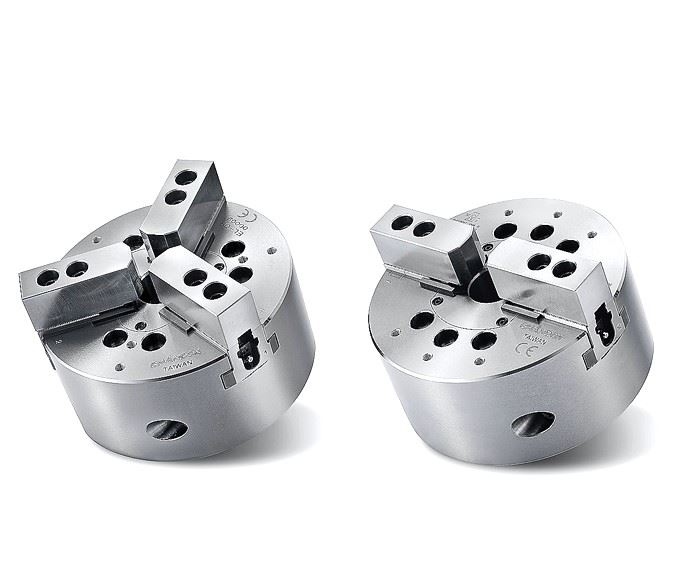 If the chuck body does not sit flush against the spindle face during installation, or if the mounting screws are unevenly tightened, the chuck itself will not be level. This misalignment directly impacts the overall runout values. As a result, achieving optimal precision becomes difficult regardless of which workpiece is being clamped.
-
Exceeding the Gripping Range
When a workpiece size exceeds the recommended gripping range of a chuck or collet, the jaws are forced to tilt or expand excessively, reducing the effective contact area. Over time, this can lead to chuck deformation or jaw positioning errors, preventing proper centering of the workpiece and significantly increasing the risk of runout.
-
Jaw-Related Causes
The condition of the jaws has a direct impact on runout. Common issues include:
- Inaccurate soft jaw machining: If soft jaws are not bored or machined to precise dimensions, the clamping surface will not be perfectly concentric with the workpiece.
- Worn hard jaws: The serrations on hard jaws can wear down after prolonged use, creating gaps or play during the clamping process.
These scenarios lead to irregular deviation of the workpiece during rotation. This instability becomes particularly noticeable during high-speed turning or precision finishing operations.
-
Collet-Related Causes
While collet systems offer high precision, they require strict adherence to installation and maintenance protocols. Common factors contributing to runout include:
- Wear or cracks on the collet itself: Damaged collets cannot maintain uniform pressure.
- Improperly seated clamping nut: If the nut is not threaded correctly or fully, it results in incomplete clamping force.
- Missing anti-rotation screw: Failure to install this screw allows micro-movements of the collet during machining operations.
- Contamination in the collet pocket: Residual chips or grease inside the collet taper or pocket prevent a proper flush fit.
A failure in any of these areas can cause a high-precision collet system to lose its expected concentricity.
How Runout Affects Machining Quality
When a workpiece does not rotate along a true circular path, the resulting dimensions and geometry become inaccurate. Below are some of the most common machining aspects that are affected by runout:
-
Turning
Under ideal conditions, turning should produce a uniform and perfectly round outer diameter. However, when runout is present, variations in cutting depth cause the outer diameter to become oval rather than truly round, and may even result in a wavy surface finish.
-
Boring
Because the workpiece rotates with runout, the tool engages at a varying radius, which leads to uneven material removal and inconsistent bore diameters. Common consequences include oversized holes, tapered or conical bores, and irregular, lobed internal profiles.
-
Facing
When axial runout is present during facing operations, the cutting height of the tool varies with each rotation. This leads to an uneven end face. Although the surface may appear visually finished, it actually contains high and low spots. These irregularities compromise flatness and negatively affect the fit and stability of subsequent assembly processes.
-
Grooving
In grooving operations, runout prevents consistent groove depth and can cause deviations in groove width or wall angles. This issue not only affects the visual appearance but also poses functional risks. It often results in snap rings, O-rings, or retaining components failing to seat or function properly.
-
Threading
If runout occurs during threading, it frequently leads to inconsistent thread heights, compromised thread profiles, and uneven engagement. This creates a high risk of connections loosening over time. Even if the threads appear visually correct, they may not mate smoothly during assembly or could succumb to premature failure during operation.
How to Reduce Runout
Effectively reducing runout is not about relying on a single piece of high end equipment, but about ensuring that every detail of workholding and setup is done correctly and consistently:
-
Thoroughly Clean All Contact Surfaces
Residue such as metal chips, oil film, or rust on the contact surfaces between chucks, adapter plates, collet pockets, and the workpiece will compromise mating precision. Even contaminants invisible to the naked eye can translate into significant runout once the assembly begins to rotate. Establishing a consistent cleaning routine before machining is the most fundamental and cost-effective method for minimizing runout.
-
Clean All Threads and Ports
Contamination in the threads of the drawbar, collet nut, or related components can cause uneven clamping force and prevent the chuck from returning to its correct position. Regularly removing chips and old grease from threaded areas, and ensuring that ports are free of debris, helps the chuck seat accurately and consistently every time it is installed.
-
Follow Manufacturer Instructions for Chuck Installation
When installing the chuck, ensure that the drive keys are correctly aligned. Do not force the chuck onto the spindle or mount it at an angle. When securing the mounting bolts, tighten them evenly in a diagonal or star pattern. Always adhere to the manufacturer's recommended torque specifications to avoid chuck deformation caused by overtightening or uneven pressure. Following correct installation procedures significantly reduces runout originating from the chuck assembly itself.
-
Operate Within the Recommended Gripping Range
Both power chucks and collets are designed to perform best within a specified gripping range. Operating outside this range can cause the jaws to tilt, reduce the effective clamping area, and even compromise the structural accuracy of the chuck. Selecting a chuck or collet that properly matches the workpiece size is safer and far more accurate than forcing an improper fit.
-
Jaw Management
Soft jaws should be machined at the center of the chuck’s clamping stroke to ensure proper concentricity during actual clamping. If jaw faces are damaged or deformed, or if the serrations on hard jaws show significant wear, they should be replaced promptly. Attempting to maintain accuracy with worn or damaged jaws often amplifies runout rather than correcting it.
-
Collet Management
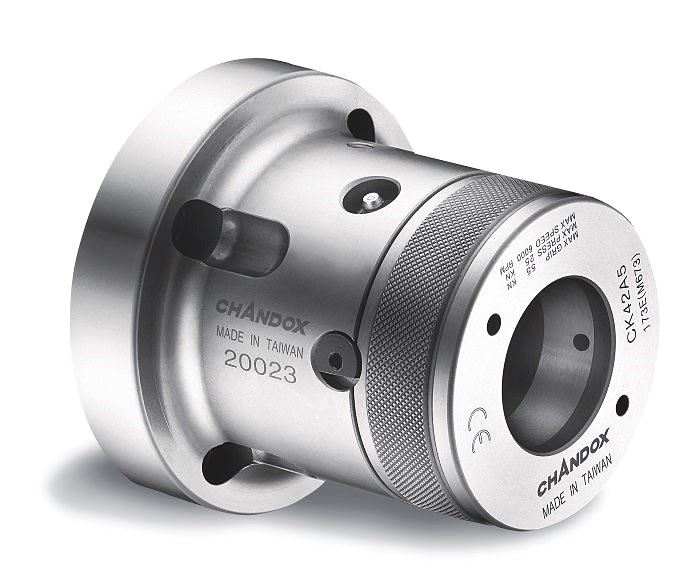 When using collets, verify that the collet is fully threaded in and correctly seated. The anti-rotation screw must be securely installed to prevent micro-movements during machining. For collets in long-term service, conduct regular inspections for wear and cracks. Timely replacement of worn components is essential to maintain consistent concentricity.
Conclusion
Runout is one of the most common precision challenges in lathe machining. However, it can be significantly reduced by adhering to correct installation procedures, performing regular maintenance on fixtures, and ensuring that clamping operations remain within specified ranges. CHANDOX offers a comprehensive line of machining chucks and dedicated after-sales support. If you have any questions regarding workholding solutions or need assistance with runout issues, please feel free to contact us at any time.